Risk mitigation and planning
GENERATIONAL WEALTH CONSULTANTS

Organize Your Future: Risk Mitigation & Tax Minimization Strategies

Learn how to organize risk-management, tax-aware, retirement-income and estate-planning questions, and when to consult appropriately qualified professionals.

Schedule A Call With A Consultant

What is Risk Mitigation?

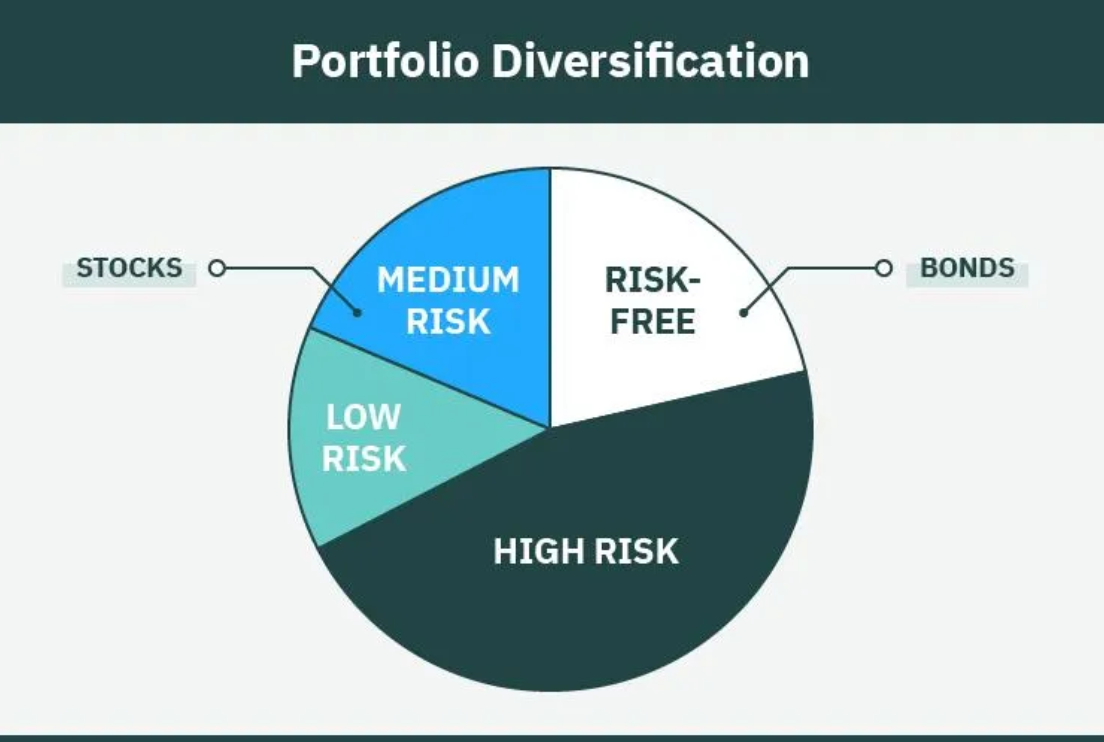
Risk mitigation involves identifying and evaluating potential financial losses. As retirement approaches, reviewing diversification, liquidity and market exposure can help clarify tradeoffs, but no strategy removes risk or assures a particular income outcome.

Market downturns can significantly affect retirement savings when a portfolio is concentrated in higher-risk assets. For example, a hypothetical 30% loss just before retirement could take years to recover and may delay retirement plans.

A Brief History of Market Volatility

Markets have experienced significant downturns across many periods, including the Great Depression, the Dot-com Bubble and the 2008 Financial Crisis. The timing, depth and duration of future losses cannot be predicted.

What Happens if Your Portfolio is Subject to Market Loss?

If your portfolio is not diversified or de-risked, a market downturn could wipe out a significant portion of your savings. This could force you to delay retirement, reduce your lifestyle, or depend on others for financial support.
Tax Minimization

What is Tax Minimization?

Tax minimization is the strategic planning of your finances to reduce your tax liability legally. Many families overpay taxes by not taking advantage of available deductions, credits, and tax-efficient investment strategies.

How Much Do Families Overpay on Taxes?

Families may miss deductions, credits or tax-efficient planning opportunities when finances are not reviewed together. The effect of any strategy varies by income, law, timing and individual circumstances; qualified tax advice is essential.

The Power of Macro Tax Planning

Macro tax planning considers the broader financial picture over time, including income, investments and retirement accounts. Tax treatment and the effect of any strategy depend on current law and individual circumstances, so questions should be reviewed with an appropriately qualified tax professional.

Tax Minimization and Income Planning

Income planning may include reviewing how different income sources are taxed. Available strategies and results vary, and an appropriately qualified tax professional should evaluate individual circumstances.

How Generational Wealth Consultants Can Help

GWC helps clients organize questions and coordinate with appropriately qualified professionals regarding:

  • Potential tax considerations over time.
  • Questions about retirement-income sources and their potential tax treatment.
  • Questions about asset structure and what professional guidance may be appropriate.
  • Topics to discuss with appropriately qualified third-party tax and legal professionals, including charitable giving, Roth conversions and tax-advantaged accounts.

Generational Wealth Planning

Generational wealth planning is about intentionally creating and preserving wealth to benefit future generations. It involves:

Building a Financial Foundation:

Growing assets through investments, real estate, and business ownership.

Tax-Aware Planning & Asset Considerations:

Considering tax-aware strategies, trusts and insurance with appropriately qualified tax, legal and insurance professionals.

Creating a Legacy Plan:

Establishing wills, trusts and beneficiary designations may support an organized transfer of assets; legal documents and advice should come from an appropriately qualified attorney.

Educating & Empowering the Next Generation:

Equipping heirs with financial knowledge to responsibly manage and grow inherited wealth.

Take Control of Your Financial Future

Considering risk management, tax-aware planning and generational priorities together can help organize questions about assets, retirement and legacy planning.

How GWC Helps

We help clients organize priorities, compare planning considerations and coordinate questions for appropriately qualified professionals. Options and outcomes vary by individual circumstances.

Schedule A Call With A Consultant